A shared language doesn’t guarantee a safe deal
- Published On
- July 20, 2026
- Category
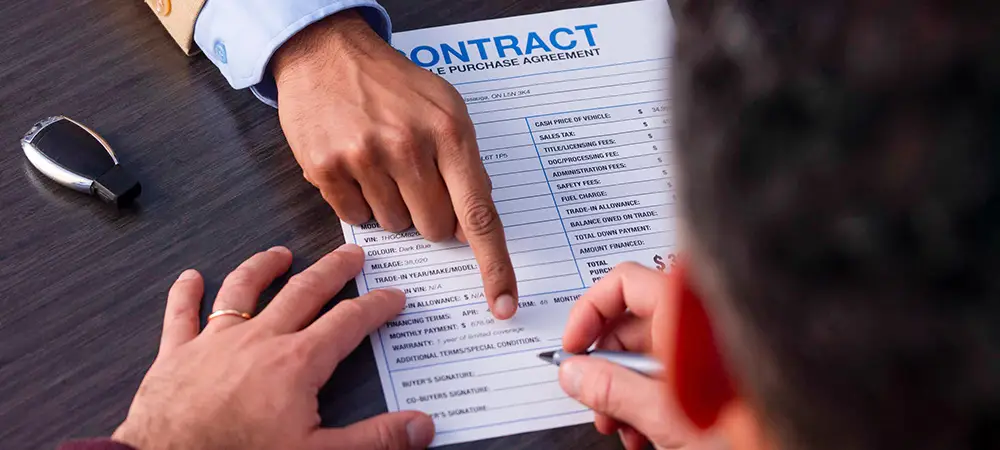
Buying a car is one of the biggest purchases many newcomers make after arriving in Ontario. Whether it’s for work, family, or everyday life, having a reliable vehicle can make settling into their new life much easier.
Unfortunately, scammers know this too. They will target newcomers who may be unfamiliar with Ontario’s car-buying rules, consumer protections, and marketplace.
York Regional Police recently issued a warning about an alleged scam targeting Spanish-speaking residents. According to police, the individual posed as a licensed salesperson and used social media advertisements aimed at Spanish-speaking newcomers to connect with potential buyers.
Police allege the individual met with interested buyers in person, showed them cars located at legitimate dealerships or advertised online, and collected deposits for cars he did not own and was not authorized to sell.
The case is an important reminder that while speaking the same language can make the car-buying process feel more comfortable, it should never replace doing your research.
How scammers build trust
Many newcomers naturally turn to people who share their language, culture, or community connections when looking for products and services. These networks can provide valuable support when beginning life in a new country and are an important part of what makes Ontario’s communities so strong.
Unfortunately, scammers can also use this sense of familiarity to build trust quickly. They may advertise in community groups, social media platforms, messaging apps, or online marketplaces in a buyer’s preferred language. Some may claim to have mutual friends back home, belong to the same community, or simply present themselves as someone looking to help.
The goal is often the same: to make buyers feel comfortable enough to move forward without asking enough questions.
Common red flags to watch for
When shopping for a vehicle, be cautious if a seller:
- Pressures you to act quickly or pay a deposit immediately.
- Refuses to provide documents or information about the vehicle.
- The vehicle ownership is registered to someone else.
- Vehicle isn’t available to be inspected or test driven.
- Avoids answering questions about the vehicle’s history.
- Wants to meet somewhere other than a dealership or business location.
- Has multiple vehicles for sale but claims to be a private seller.
- Offers a deal that seems too good to be true.
Don’t feel pressured to make a quick decision. If something doesn’t seem right, slow down, ask questions, do more research, and verify the seller before providing personal information or a deposit.
Verify before you buy
Before buying a vehicle, take a few minutes to verify who you’re dealing with.
In Ontario, car buyers can use OMVIC’s dealer search tool to confirm whether a dealer or salesperson is registered. Purchasing from an OMVIC registered dealer provides important consumer protections that are not available when buying from an illegal seller.
A shared language may help build trust, but it shouldn’t replace doing your homework. Before signing an agreement or paying a deposit, verify the seller, research the vehicle, and understand your rights as a car buyer.
Before you buy, start with trusted information, ask questions, and verify the seller. Remember: look twice and buy smart. Those extra few minutes could save you thousands of dollars down the road.