
The price tag tells you the cost. The vehicle history tells you the past.
- Published On
- October 6, 2026
- Category
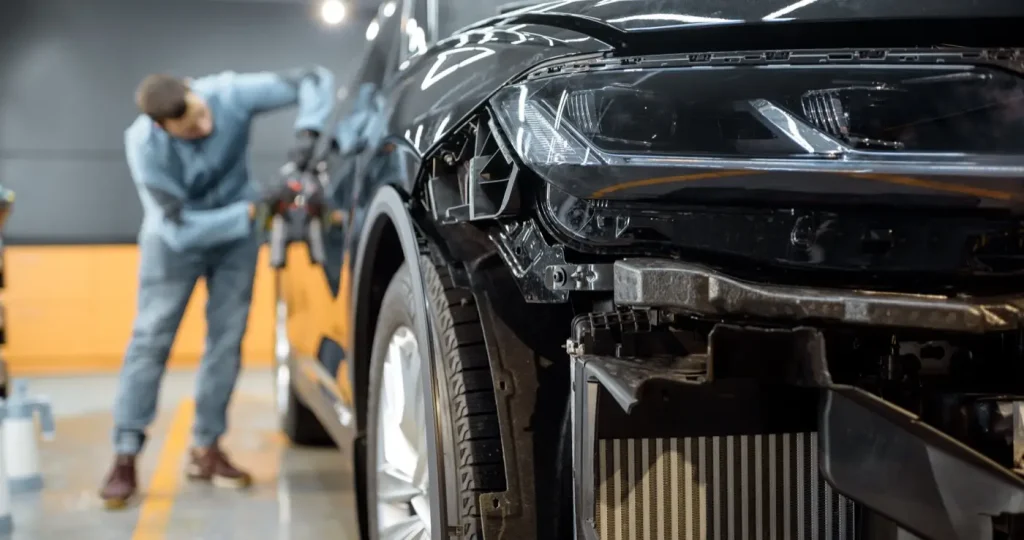
A low price can make a used vehicle look like a great deal. But one of the smartest things you can do when buying a vehicle is to look beyond the price tag. Previous collisions, fire or flood damage, major repairs or a complicated history may not be obvious during a walkaround or test drive. It may not even appear in a vehicle history report. That history matters. It could affect the vehicle’s condition, lead to costly repairs or significantly reduce its resale value.
Before deciding whether the price is right, make sure you understand what you’re actually buying.
Not all damage is easy to find
Some damage is obvious: a dented door, cracked bumper or chipped paint. Other damage can be much harder to detect after a vehicle has been repaired or reconditioned. Take flood damage. A vehicle exposed to significant water can be cleaned, dried and repaired until there are few obvious signs of what happened. If the damage occurred outside Ontario or wasn’t obtained by an insurer or vehicle history report, there may be little in the records to reveal its past. Yet water exposure can lead to problems with wiring, sensors, electrical systems and other components long after the vehicle appears dry.
Fire damage can create different concerns. Visible damage may have been repaired while heat or smoke affected other parts of the vehicle. Significantly damaged vehicles may also be rebuilt and legally returned to the road after meeting the province’s requirements. Before buying a rebuilt vehicle, understand why it was branded, what was damaged and what repairs were completed. In more concerning instances, stolen parts can find their way into vehicles during repairs or rebuilding. If police later determine parts are stolen, they could be seized. If major parts such as the engine or body panels are removed, the buyer could be left with an unusable vehicle worth significantly less than what they paid.
The common theme? A vehicle can look good today while still having a past worth knowing about.
Dealers have disclosure responsibilities
When you buy from an OMVIC registered dealer, certain information about a vehicle’s history and condition must, by law, be shared with you in writing before you buy. For example, a dealer must disclose if a vehicle has sustained damage from an accident where the total cost of repairs was more than $3,000. There is also disclosure requirements related to vehicle branding and other aspects of its history. These details could influence whether you want the vehicle and what you’re willing to pay for it. Read the disclosures you’re given and ask the dealer or salesperson to explain anything you don’t understand before you sign. Some required disclosures are significant enough that if they aren’t made, you may have the right to cancel the contract within specific time limits.
A vehicle history report is a good starting point
A vehicle history report can provide valuable information about reported collisions, previous registrations and other events in a vehicle’s past. But no report can tell you everything. Damage repaired privately without an insurance claim may not appear. The same can be true of flood, fire or other damage that wasn’t captured by the sources used to create the report. That’s why “no reported accidents” doesn’t necessarily mean “no previous damage.” Even when everything looks good on paper, consider having the vehicle inspected by a qualified, independent mechanic before signing an agreement. A trained mechanic may spot signs of water exposure, previous body or structural repairs, replaced components, electrical problems or other concerns that aren’t obvious during a test drive. An inspection can’t guarantee a vehicle will never have problems, but it can give you another important piece of information before you buy.
A vehicle history report can tell you what’s been reported about the vehicle’s past. An independent inspection can help you understand the vehicle you’re buying today.
Remember to look twice and buy smart. The price tag tells you the cost. The vehicle history tells you the past.