
Buying a used vehicle? Here’s why its previous life matters
- Published On
- October 30, 2026
- Category
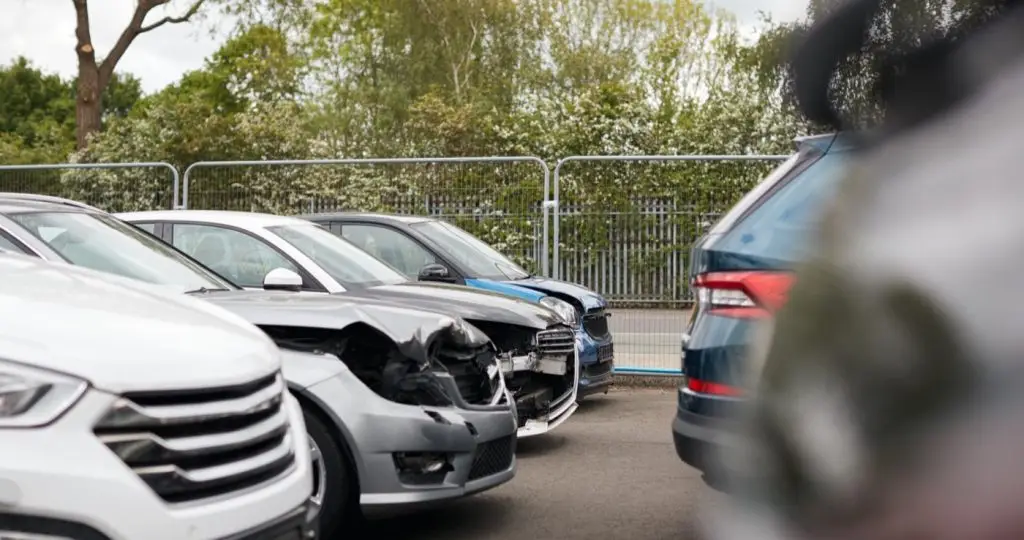
When buying a used vehicle, it’s easy to focus on the price, condition, features and kilometres on the odometer. But there’s another part of the vehicle’s story worth knowing: how it was used.
A family vehicle may have had a very different life from one used as a daily rental, taxi, limousine, police cruiser or emergency services vehicle. That doesn’t automatically make one a better or worse choice, but it can help you understand the vehicle’s mileage, maintenance and condition.
Certain previous uses must be disclosed.
When you buy from an OMVIC registered dealer in Ontario, the dealer is legally required to disclose certain types of previous use in writing in the purchase agreement.
This includes if the vehicle was previously:
- used as a police vehicle or to provide emergency services
- used as a taxi or limousine
- rented or leased on a daily basis, unless it had another owner before the dealer bought it.
These are among the mandatory disclosures required under Ontario’s Motor Vehicle Dealers Act.
Why does it matter? Two vehicles of the same age with similar mileage may have accumulated those kilometres in very different ways.
A former daily rental
Rental vehicles may accumulate kilometres quickly and be driven by many different people with different driving habits. At the same time, rental companies may have established maintenance schedules. Rather than assuming a former rental is a good or bad choice, consider its previous use alongside its maintenance history and current condition.
A former taxi or limousine
Taxis and limousines may spend significant amounts of time on the road, including in stop-and-go city traffic. The odometer tells you how far the vehicle travelled, but understanding the type of driving behind those kilometres can give you a better picture of its history.
A former police or emergency service vehicle
Police and emergency service vehicles can operate under demanding conditions. Depending on their role, that may include long periods of idling, frequent acceleration and braking, and the installation of specialized equipment or electrical systems. Ask about the vehicle’s former role and whether equipment was removed or modifications were made before it was offered for sale.
Understand the information before you sign
Read the dealer’s written disclosures carefully and ask questions about anything you don’t understand before signing the purchase agreement. It’s also a good idea to get your own vehicle history report. Use it alongside the dealer’s disclosures, available service and maintenance records and your own research. If possible, consider having the vehicle independently inspected. If you discover after purchasing the vehicle that a dealer did not provide a legally required disclosure, you can contact OMVIC for guidance.
Ask how the kilometres got there
Before buying, ask:
- How was this vehicle previously used?
- Was it a former daily rental, taxi or limousine?
- Was it used by police or to provide emergency services?
- Are maintenance and service records available?
- Can I have the vehicle independently inspected?
Previous use isn’t necessarily a reason to walk away. It’s another piece of information that can help you decide whether the vehicle is right for you. Look twice, buy smart.