
EV battery condition: What dealers should know about disclosure
- Published On
- November 23, 2026
- Category
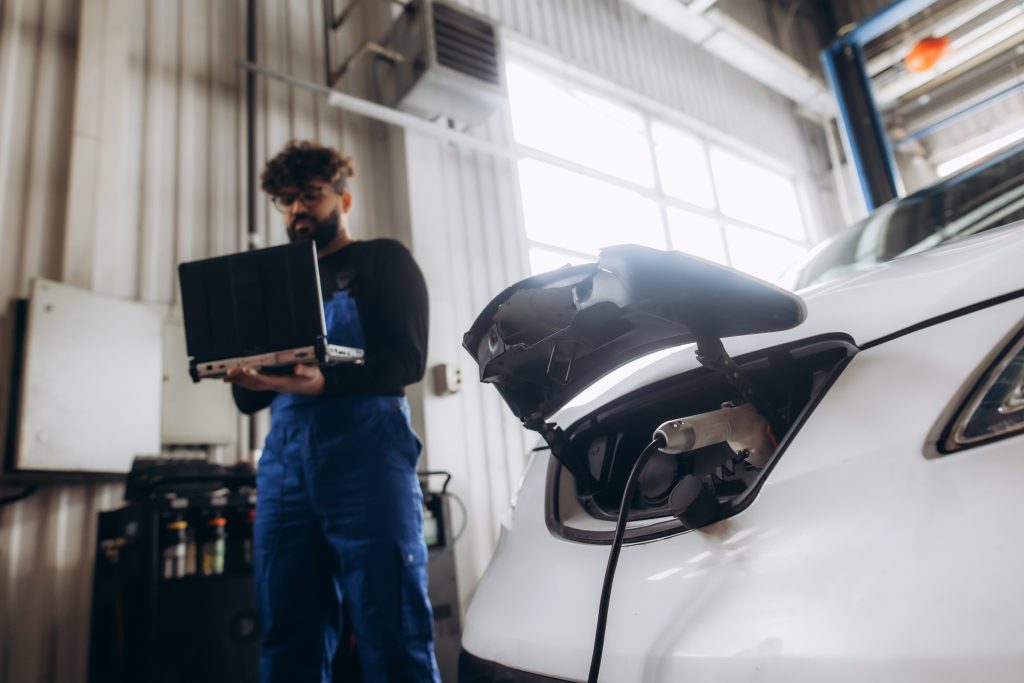
Electric vehicle (EV) batteries play a major role in a vehicle’s performance, reliability, and value. Much like an engine in a gasoline-powered vehicle, the battery is a key component that consumers should understand before making a purchase.
As more EVs enter Ontario’s marketplace, dealers should be aware of how disclosure obligations apply to EV batteries.
Why EV battery condition matters
A recent Ontario news story highlights the potential costs associated with EV battery problems. In September 2026, an Ontario woman experienced a battery failure in her 2018 Volkswagen e-Golf. According to reports by CTV News, she received a repair estimate of approximately $10,800, just five months after her eight-year battery warranty expired.
Although the vehicle had travelled approximately 133,000 kilometres, below the warranty’s 160,000-kilometre limit, the warranty had already expired based on time. The estimated repair cost was nearly equal to the vehicle’s reported resale value.
The case illustrates why battery-related disclosures deserve attention in EV transactions. Where concerns arise after a sale, consumers may raise complaints about the information they received, making it important for dealers to understand and meet their applicable disclosure obligations.
Understanding your disclosure obligations
The Motor Vehicle Dealers Act, 2002 and its regulations set standards for how dealers and salespeople conduct vehicle transactions and communicate with consumers. Dealers and salespeople must provide clear and truthful information about vehicles, products, services, and prices. They must also act with honesty, integrity, and fairness, take steps to prevent errors and misrepresentations, and provide competent service.
Dealers must ensure that required information is disclosed in contracts of sale or lease. This includes any fact about a vehicle that could reasonably be expected to influence a reasonable buyer’s or lessee’s decision to purchase or lease the vehicle on the agreed terms.
These obligations apply to all vehicles, including EVs, and extend to information about battery condition, performance, or other factors that could influence a consumer’s purchasing decision.
Putting disclosure principles into practice
Dealers should take practical steps to understand the vehicles they sell, identify information that may need to be disclosed, and ensure that statements about a vehicle can be supported.
Depending on the circumstances, this could include reviewing available vehicle information, arranging an independent inspection or diagnostic assessment, following up on identified concerns, or obtaining additional information about the vehicle’s condition.
For EVs, dealers should consider reviewing available battery information, investigating identified battery concerns, and verifying information before making statements about battery condition, range, performance, or warranty coverage.
Understanding EV battery information
- Battery charge: How much energy is currently stored in the battery.
- Battery health: The battery’s overall condition and ability to retain energy over time.
- Warranty coverage: Whether the battery remains covered under applicable warranty terms and conditions
Note that a fully charged battery does not necessarily mean it is in good condition. Dealers should review available vehicle information, answer questions accurately, and ensure required disclosures are provided in writing.
By communicating clearly about EV battery condition, performance, and history, dealers can help buyers make informed decisions and set clear expectations. Taking a proactive approach to disclosure helps dealers protect their businesses, strengthen customer relationships, and build trust.