
Illegal curbsiders are profiting from vehicle theft epidemic
- Published On
- July 29, 2024
- Category
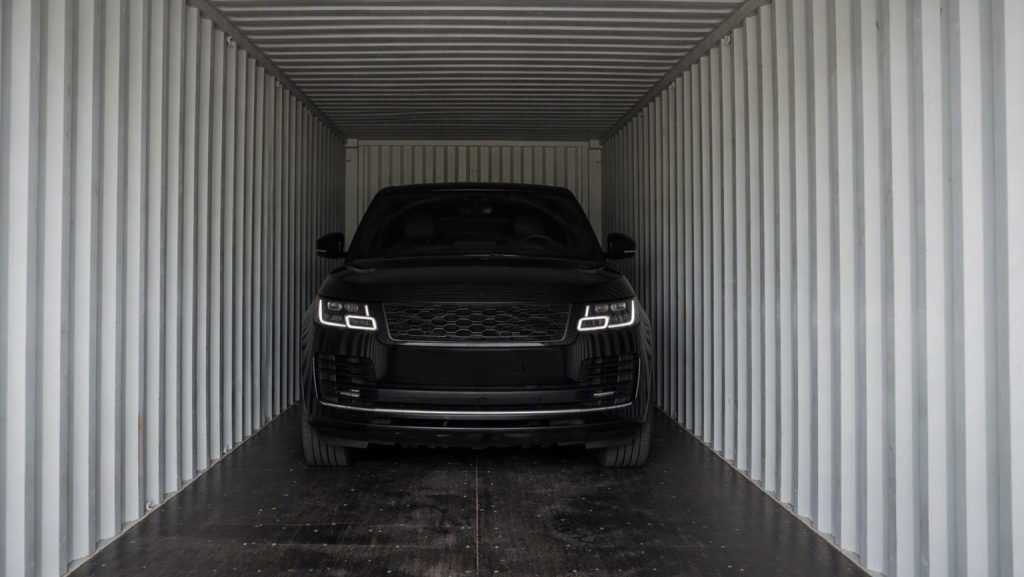
Ongoing investigations by police in Ontario highlight an increased risk to consumers of buying stolen, re-vinned vehicles.
Ontario’s current spike in vehicle theft is leading to an increased risk of car buyers falling victim to fraud. To begin, it’s important to understand what a Vehicle Identification Number (VIN) is. A VIN is a code of letters and numbers that identifies your vehicle and its history. It can be found in multiple places, including on your vehicle’s dashboard and inside the driver’s side door. The problem arises when stolen vehicles are assigned a new VINor ‘re-vinned’ and then sold back into the market with this new, clean identity to unsuspecting consumers. Buyers are at risk of losing everything if their new ride is subsequently identified as stolen and seized by police.
Police investigators are pursuing criminals who have exploited procedural loopholes to carry out fraudulent transactions. Individuals who fraudulently register a vehicle or obtain a replacement permit by false pretense could be charged with various fraud related offences including trafficking of stolen goods.
“Some of those committing registration offences are also examples of ‘curbsiders’, unlicensed vehicle dealers who illegally sell to the public from driveways, workshops, scrapyards and other premises,” notes Sam Cosentino, director of enforcement at OMVIC, the Ontario motor vehicle sales regulator. “Buying from a curbsider, or even from a legitimate private seller, offers no legal protection. Anyone who has bought a stolen car from a curbsider is going to have their vehicle seized by police and will be subject to significant financial loss.”
OMVIC has encountered many cases of stolen, re-vinned vehicles unknowingly bought into used-car stock by dealers and resold to members of the public. Occasionally, a dealer is also complicit in the fraud.
“The difference here is that anyone who has bought a car from a licensed dealer, and has their vehicle seized, has some recourse under Ontario’s Motor Vehicle Dealer Act (MVDA),” he continues. “That includes the ability to apply to OMVIC’s Motor Vehicle Dealers Compensation Fund, provided that they weren’t complicit or in any way involved in the fraudulent transaction.”
According to Cosentino, the recent spotlight on vehicle theft, and the greater efforts being made to combat it, could lead to re-vinning cases becoming more common in the short term. With more resources being devoted to policing ports and rail yards, and increased cooperation between different law enforcement agencies, criminals are finding it harder to export stolen vehicles.
“I think we’re going to see more re-vins,” he says. “Until recently, we estimated that 50 per cent of the vehicles stolen were exported while 50 per cent remained in the province as re-vin vehicles. I think that is going to change over the next few months because of fewer exports, which means more people here in the jurisdiction are going to fall victim to fraud.”
His advice to consumers is simple: always purchase from a licensed motor vehicle dealer to ensure that you’re protected in the event of a fraud being committed. Buyer beware!
Contact OMVIC’s Complaints & Inquiries Department at [email protected] or 1-800-943-6002 for advice and answers to all your car-buying questions.
This story was created by Content Works, Postmedia’s commercial content division, on behalf of OMVIC.