
Every used car has a story
- Published On
- May 25, 2026
- Category
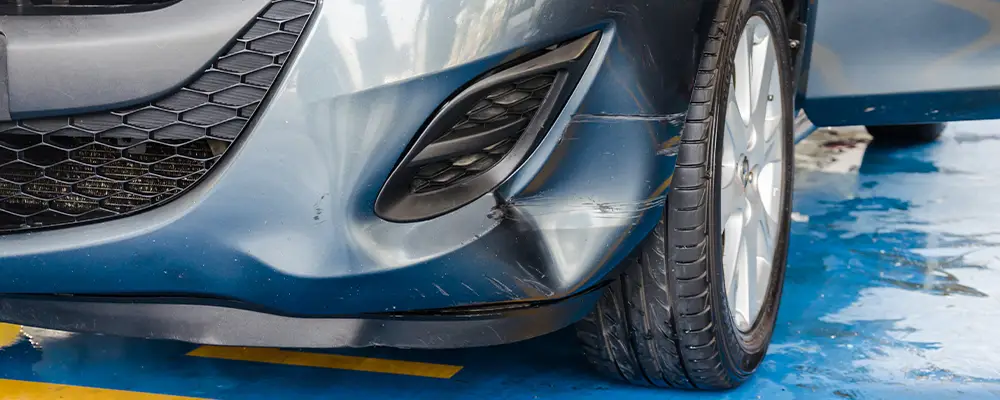
Every used car has its own story, and no two cars are the same. A vehicle may look spotless on the lot, polished, clean, and ready to drive home, but what’s happening under the hood can be a completely different story. What you can’t see at first glance often matters most.
Past accidents, maintenance history, previous owners, and how the vehicle was used all shape the condition of the car you’re about to buy. Was it a former rental? Was it involved in a major collision? Has it changed hands several times? Has it been driven hard or carefully maintained? These details can make a major difference in both safety and long-term cost.
Two cars may look exactly the same side by side, but their histories can be very different.
That’s why one of the most important steps in the used car buying journey is learning the car’s story before you buy, not after. Taking the time to learn about the car’s history can save you stress and money down the road.
Understanding the vehicle’s history
This report can reveal important details that aren’t always obvious during a walkaround. Even if the dealer provides you with a vehicle history report, it’s always good to purchase your own to ensure all information is accurate.
Next, inspect the vehicle carefully. Check the tires, body panels, interior condition, and overall wear and tear. Uneven paint, rust, unusual tire wear, or mismatched panels can all be signs of past damage or poor maintenance. Compare the odometer reading with the vehicle history and service records to make sure everything adds up.
Ask questions to get the full picture
Ask questions. Make sure you fully understand what the dealer is telling you, and don’t hesitate to ask for clarification or follow-up questions if something isn’t clear.
A good dealer should be able to explain the vehicle’s history, previous use, and maintenance records. In Ontario, registered dealers are required by law to disclose important information that could affect your decision to buy. This includes past accidents, previous use such as rentals or taxis, flood or fire damage, and whether the vehicle was brought in from out of province. This information should be clearly written on your bill of sale.
Take a second look
Buying a used car isn’t just about finding the right price, it’s about finding the right vehicle for your needs and making sure its history matches what’s being advertised.
And don’t stop there. OMVIC recommends having the car inspected by an independent mechanic or bring along someone you trust who knows vehicles well. A second set of eyes can help identify issues that may not be obvious at first glance. If the seller refuses to allow an independent inspection, that’s a red flag and you should proceed with extreme caution.
It’s also important to remember that in Ontario, there is no cooling-off period when buying a vehicle. Once you sign the contract, the deal is final. Taking the time to research the vehicle, review the contract carefully, ask questions, and inspect the car before signing can help you avoid costly surprises down the road.
Think twice, buy smart.
Every used car has a story. The question is: do you know it? Understanding a vehicle’s history can help you make a smarter, more confident buying decision. Remember, look twice. Buy smart.