
The most important document in your car purchase
- Published On
- May 14, 2026
- Category
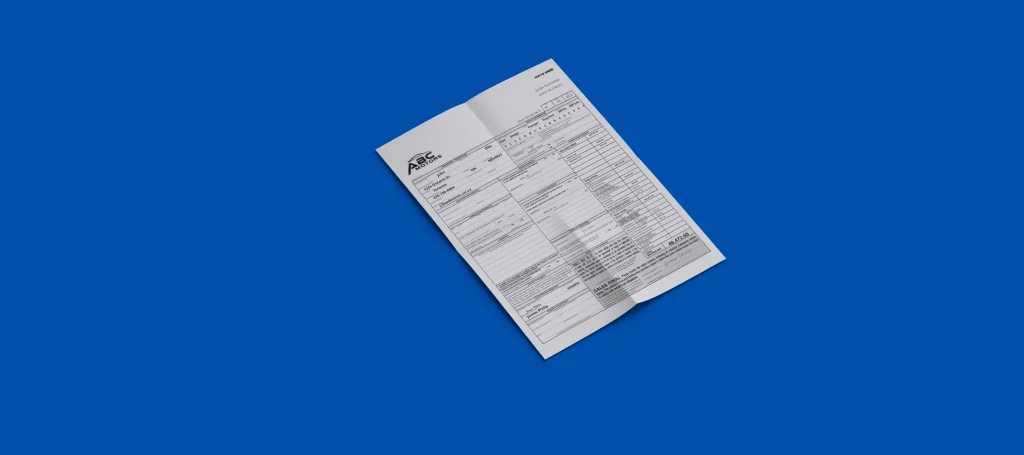
Smart car shopping starts with OMVIC, and that includes understanding what you’re agreeing to before you sign the bill of sale.
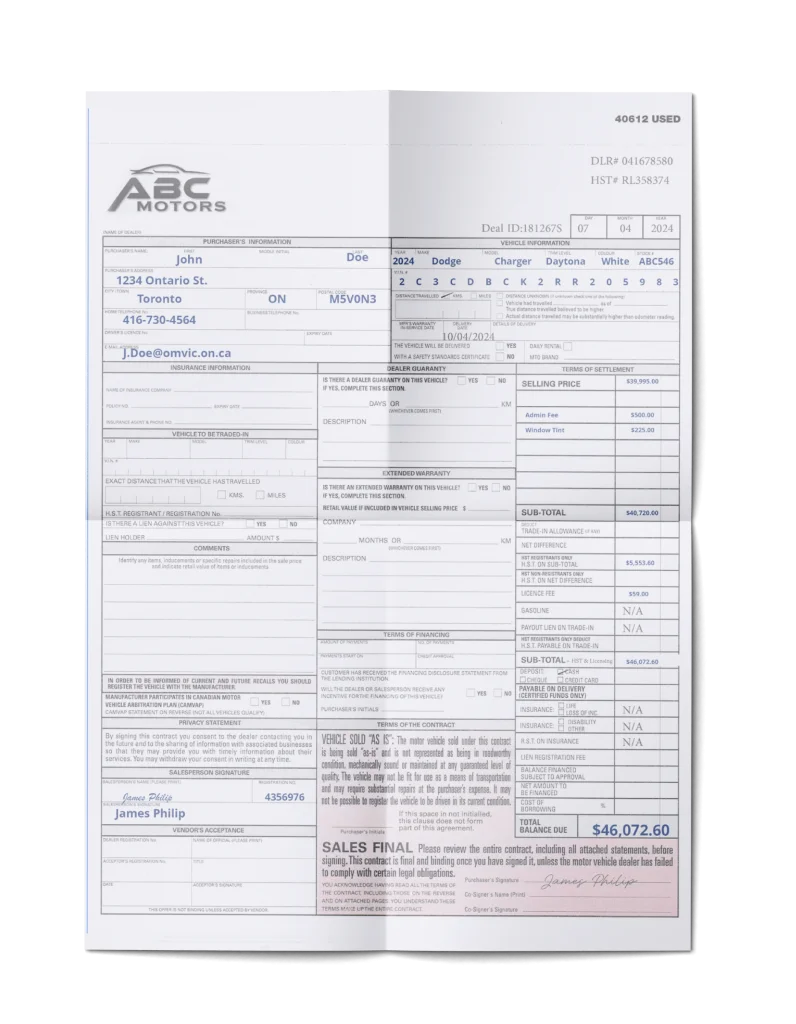
A bill of sale is one of the most important documents in your vehicle purchase. It shows exactly what you’re agreeing to pay, and what you’re getting in return.
Before you sign, take a few minutes to review it carefully.
Here are 3 things to remember when reviewing your bill of sale:
-
- Your bill of sale should clearly show the total price of the vehicle, including all fees.
- The final price should match the advertised price, plus HST and licensing only.
- Spot a charge, warranty, or add-on you didn’t agree to? Ask questions before you sign. You should only pay for products and services you approved.
Watch for add-ons
Some extras, like extended warranties or protection packages, are optional. You should only be paying for these if you agreed to them. If you see anything you didn’t ask for, question it before signing.
Here’s where it can get confusing: dealers can include items like rustproofing or tire locks in the advertised price, even if they’re usually considered optional. It’s always worth asking what’s included.
If you’re financing
Make sure you understand:
- Your interest rate
- Loan term
- Monthly payment
- Total cost of borrowing
These details must be included in your bill of sale.
If you’re trading in a vehicle
Check that your trade-in value is listed, along with any remaining loan balance.
Know before you sign
In Ontario, there is no cooling-off period when buying a vehicle from an OMVIC registered dealer. Once you sign the contract, the sale is final.
That’s why it’s so important to carefully review your bill of sale before you sign. Once you sign the agreement and pay a deposit, the sale is final.
Before you sign, make sure you understand what happens if you change your mind, if financing is not approved, or if you decide not to move forward with the purchase. Any conditions, promises, or refund details should be clearly written into the bill of sale.
Get everything in writing
This is key: anything that could affect your decision to buy must be written on the bill of sale.
If you’re buying a used vehicle, this includes important history details like past damage or previous use.
“If it’s not written in your bill of sale, don’t assume it’s part of the deal. An email, text message, or verbal promise is not the same as it in writing in your agreement. “
Before you sign, ask:
- Does the price match what was advertised?
- Am I being charged for anything I didn’t agree to?
- Is everything I was told included in writing?
- What happens to my deposit if I decide not to move forward?
The bottom line
Your bill of sale should give you a clear picture of your purchase. It’s your record of what was promised and agreed to.
Start with OMVIC so you know what to look for, review everything carefully, and don’t rush. If anything is unclear, missing, or only discussed verbally, ask to have it put in writing before you sign.